
Gokyo Lake Trek: 12-Day Itinerary, Cost, Permits & Complete Guide
17th Sep, 2026
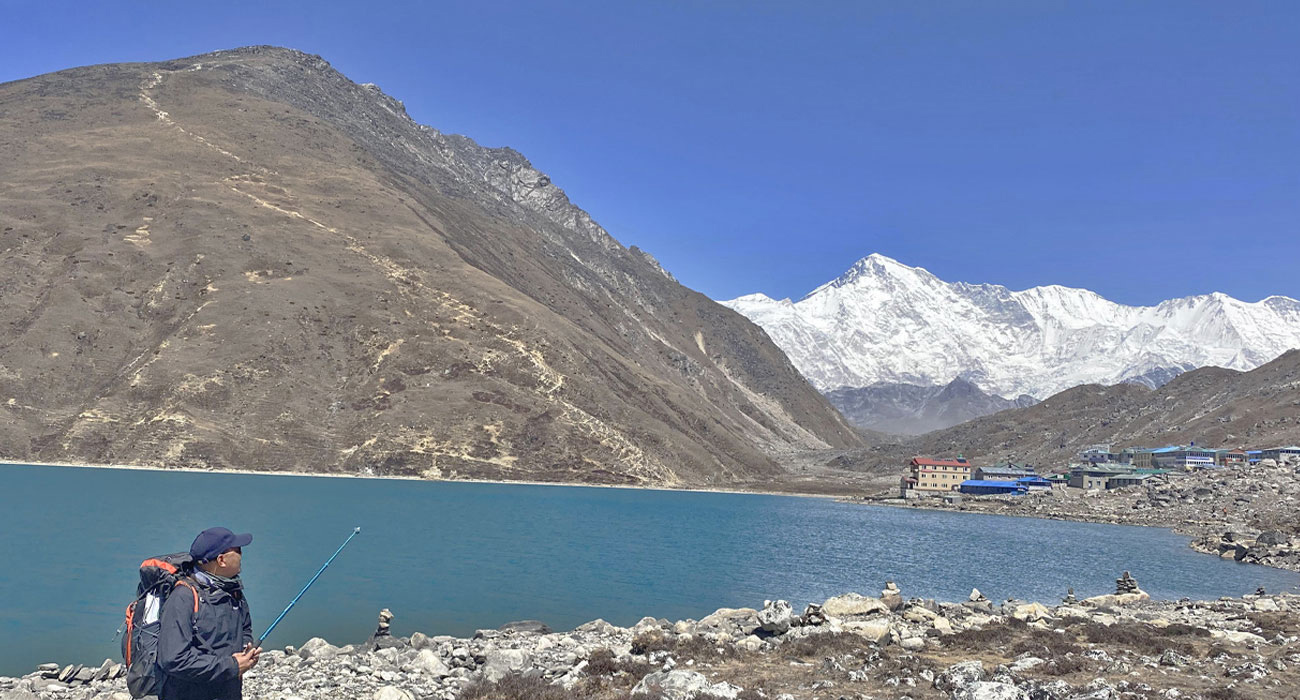
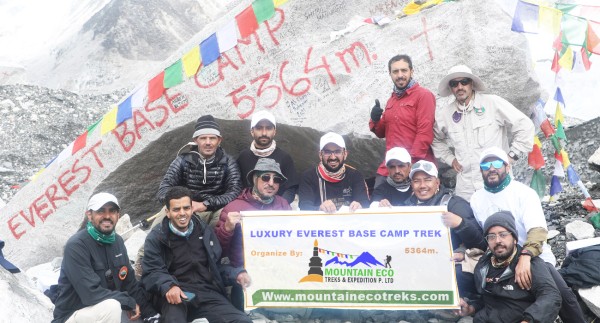
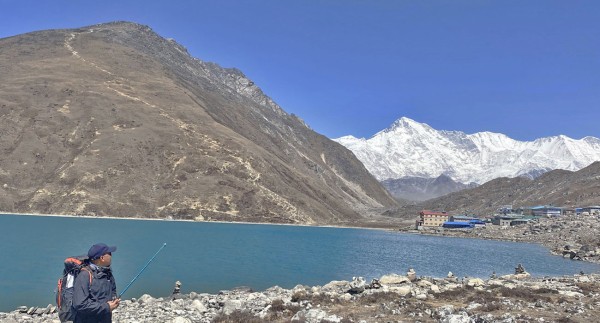
If the crowds of the Everest Base Camp trail aren't your idea of a good time, the Gokyo Lake Trek is the answer. Same jaw-dropping Himalayan scenery, same Sherpa villages and monasteries, same high-altitude thrill of walking beneath the world's tallest mountains — but instead of ending at a pile of rocks and ice marking where Everest expeditions begin their climb, you finish at a chain of six turquoise glacial lakes cradled in a high alpine bowl, with the Ngozumpa Glacier — the longest glacier in the entire Himalayan range — sprawled out beside you.
Table of Contents
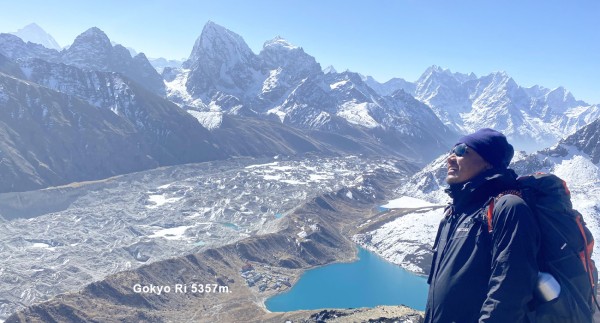
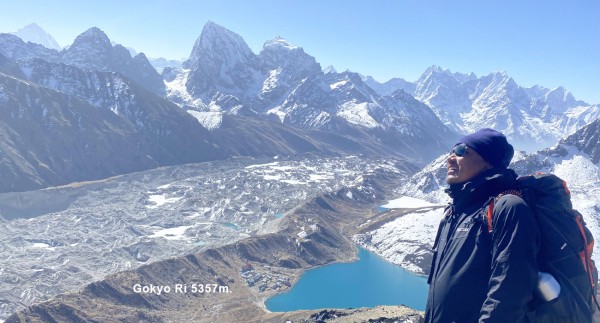
The trek's final reward is the pre-dawn climb up Gokyo Ri, a 5,357-metre viewpoint that many guides and repeat trekkers rate better than the more famous Kala Patthar for Everest views, simply because you get Everest, Lhotse, Makalu, and Cho Oyu in one uninterrupted sweep, with the emerald lakes glittering below instead of a crowded ridge of photographers jostling for a spot. And because Gokyo sees a fraction of the foot traffic that EBC does, teahouses are quieter, trails are less congested, and the whole experience feels more like genuine wilderness travel than a well-trodden checklist trek.
It's not an "easier" alternative so much as a different one — you're still trekking to well over 5,000 metres, still need to acclimatize properly, and still cross some of the same rugged, high-altitude terrain as the Base Camp route. What changes is the destination and the atmosphere: lakes instead of a marker, silence instead of crowds, and a summit view that rivals — arguably surpasses — the one everyone else is fighting for space to see.
This guide walks through the full 12-day itinerary day by day, what it actually costs in 2026 broken down by service level, exactly which permits you need and what they cost, and the practical details — best season to go, how difficult it really is, altitude profile, and what to pack — that make the difference between a good trek and a great one.
What Is the Gokyo Lake Trek?
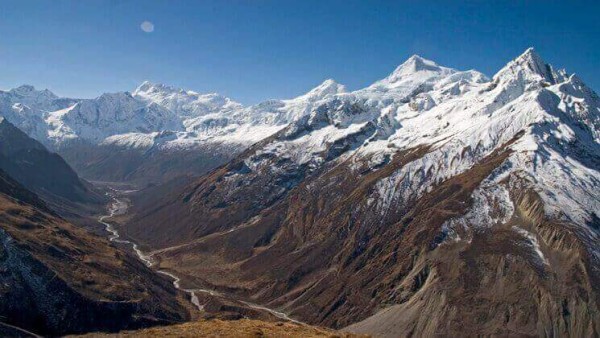
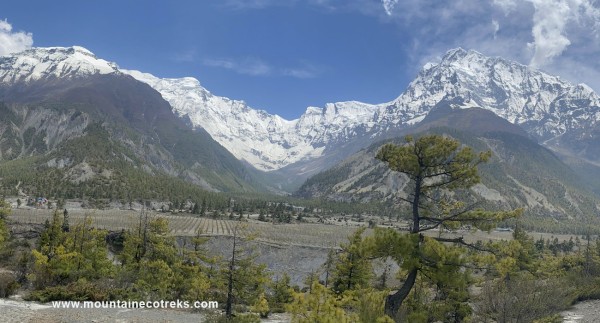
The Gokyo Lake Trek runs through Nepal's Khumbu region inside Sagarmatha National Park, following the same trail as Everest Base Camp as far as Namche Bazaar before branching off toward the Gokyo Valley. Along the way you pass through Sherpa villages, rhododendron and pine forest, and alongside the Ngozumpa Glacier — the longest glacier in the Himalayas — before reaching the sacred Gokyo Lakes at 4,700–5,000 metres.
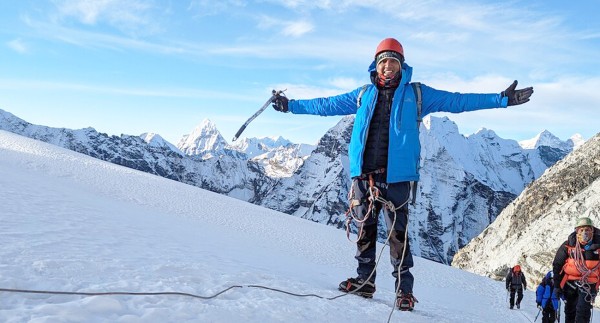
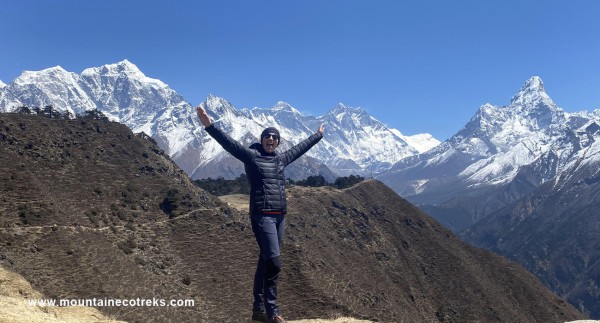
The trek's signature moment is the pre-dawn climb up Gokyo Ri (5,357 m), a viewpoint that delivers a 360-degree panorama of Everest, Lhotse, Makalu, Cho Oyu, Nuptse, and Ama Dablam — four eight-thousanders in one frame, without the foot traffic of the standard EBC route.
Gokyo Lake Trek 12-Day Itinerary
| Day | Route | Altitude |
|---|---|---|
| 1 | Arrive in Kathmandu | 1,400 m |
| 2 | Fly to Lukla (often via Manthali), trek to Phakding | 2,610 m |
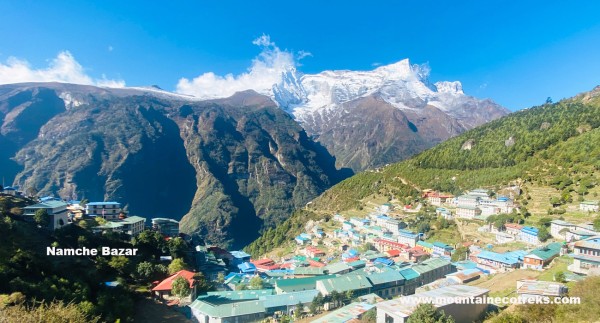
| 3 | Trek to Namche Bazaar | 3,440 m |
| 4 | Acclimatization day in Namche Bazaar | 3,860 m (day hike) |
| 5 | Trek to Dole | 4,038 m |
| 6 | Trek to Machhermo | 4,470 m |
| 7 | Trek to Gokyo | 4,800 m |
| 8 | Climb Gokyo Ri, trek to Phortse | 5,357 m → 3,860 m |
| 9 | Trek to Monjo via Namche Bazaar | 2,835 m |
| 10 | Trek to Lukla | 2,860 m |
| 11 | Fly back to Kathmandu | 1,400 m |
| 12 | International departure | — |
A few notes worth knowing before you go:
- Days 1–3 are about getting into the mountains: the Lukla flight, a riverside walk to Phakding, then a steeper climb through Sagarmatha National Park's entrance at Monjo up to Namche Bazaar, the unofficial capital of the Khumbu.
- Day 4 is a mandatory rest day for altitude acclimatization — most itineraries build in a short hike to the Everest View Hotel or the Sherpa museum rather than a full rest, since gentle movement at altitude helps you adjust faster than sitting still.
- Days 5–7 wind through Dole and Machhermo, following the valley beneath Cho Oyu (8,188 m) before reaching the lake basin at Gokyo itself, where the third lake (Dudh Pokhari) mirrors the surrounding peaks.
- Day 8 is the highlight: an early start up Gokyo Ri for sunrise, then a long descent via Na village to the quiet Sherpa settlement of Phortse — an alternative return route that avoids retracing the same trail twice.
- Days 9–11 retrace the path back through Namche and Monjo to Lukla, then fly back to Kathmandu.
Some operators, including Mountain Eco Treks, also offer a helicopter return option from the Everest region for trekkers short on time, and can extend the route to combine Gokyo with Everest Base Camp itself via the Cho La Pass for those wanting both.
Cost for Gokyo Lake Trek in 2026/2027
Cost varies a fair bit depending on group size, trip length, and service level, but here's the range you should expect for a guided package:
- Budget/independent style: roughly $800–$1,100
- Standard guided package (10–14 days): roughly $1,200–$1,600 per person, generally dropping as group size increases
- Premium/private packages with porter service, smaller groups, or a helicopter return: $1,800–$2,500+
What that price typically includes: Lukla flights (or the Kathmandu–Manthali–Lukla routing used during peak season), teahouse accommodation on the trail, a licensed guide, national park and rural municipality permits, meals during the trek, and basic safety support such as an oximeter for altitude monitoring. It typically excludes international flights, the Nepal tourist visa, travel insurance, alcoholic drinks, Wi-Fi and charging fees at teahouses, and tips for your guide and porter.
For a detailed day-by-day breakdown, current group departure dates, and the specific inclusions/exclusions for standard versus budget packages, Mountain Eco Treks' Gokyo Lake Trek page is a useful reference — it lays out pricing tiers by group size alongside a full list of fixed 2026 departure dates.
Permits Required for the Gokyo Lake Trek
Two permits cover the Gokyo Lake route, both arranged through your trekking agency:
- Sagarmatha National Park Permit — roughly NPR 3,000 (about US $25), covering entry into the national park that contains the entire Khumbu trekking network.
- Khumbu Pasang Lhamu Rural Municipality Permit — roughly NPR 3,000 (about US $25), the local permit that has effectively replaced the old TIMS card for most Khumbu itineraries.
Total permit cost lands under US $50, so — contrary to what many trekkers assume — permits are not what makes this trek expensive. The bigger costs are the domestic Lukla flights and staffing (guide, porter, and logistics). Independent trekking without a licensed guide is no longer permitted in this region for safety reasons, so permits are generally processed as part of your package.
Best Time to Trek to Gokyo Lakes
- Spring (March–May): Rhododendron forests in bloom, clear skies, reliably good mountain photography.
- Autumn (September–November): The most popular season — stable weather and crisp visibility, though also the busiest time on the trail and for Lukla flights.
- Winter (December–February): Quiet and cold, with snow on the higher sections; doable for well-prepared trekkers but not ideal for first-timers.
- Monsoon (June–August): Lush, green, and far less crowded, but with cloud cover that can obscure the big peaks and a higher chance of flight delays.
How Difficult Is the Gokyo Lake Trek?
It's graded moderate to adventurous — no technical climbing or mountaineering skills required, but you should expect 5–7 hours of walking most days, covering 8–14 km, with a steady climb to over 5,000 metres. The trek is often described as slightly easier than Everest Base Camp since it involves less total distance, though the Gokyo Ri summit push is a demanding early-morning climb in thin air.
Proper acclimatization matters more than raw fitness here. A well-built 12-day itinerary — like the one above — spaces out altitude gain with a dedicated rest day in Namche and gradual daily elevation increases, which is the single biggest factor in avoiding altitude sickness.
What to Pack
A few essentials beyond standard trekking gear: a warm down jacket and sleeping bag (many operators supply these), sturdy broken-in boots, trekking poles for the steeper descents, sunglasses with UV protection for glacier glare, a headlamp, and water purification tablets or a filter — bottled water gets expensive and creates unnecessary plastic waste the higher you go. Layering is key, since mornings on the lake basin can be well below freezing even in the warmer trekking seasons.
Gokyo Lakes Trek – Frequently Asked Questions
1. How difficult is the Gokyo Lakes Trek?
The Gokyo Lakes Trek is rated moderate to challenging. It doesn't require technical climbing skills, but you'll trek 5–7 hours daily on rocky trails at high altitude, with the Gokyo Ri summit push (5,357m) being the toughest day. A good fitness base and prior hiking experience make it much more manageable.
2. How many days do I need for the Gokyo Lakes Trek?
Most trekkers complete the Gokyo Lakes Trek in 10–14 days, with 12 days being the sweet spot — enough time for safe acclimatization without extending the trip unnecessarily. Shorter 8–9 day versions exist but increase altitude sickness risk.
3. What is the maximum altitude on the Gokyo Lakes Trek?
The highest point is Gokyo Ri at 5,357m (17,575 ft), which offers panoramic views of four 8,000m peaks — Everest, Lhotse, Makalu, and Cho Oyu. Gokyo village itself sits at 4,800m on the shore of the third lake, Dudh Pokhari.
4. What permits do I need for the Gokyo Lakes Trek?
You'll need two permits: the Sagarmatha National Park entry permit (~NPR 3,000 / USD 25) and the Khumbu Pasang Lhamu Rural Municipality permit (~NPR 3,000 / USD 25). Combined, permits cost roughly USD 45–50. The TIMS card is no longer required for most Khumbu-region treks, as the municipality permit replaced it.
5. Do I need a guide for the Gokyo Lakes Trek?
Yes. Since April 2023, Nepal requires all trekkers in national park areas, including Sagarmatha National Park, to be accompanied by a licensed guide — solo trekking without one is no longer permitted.
6. How much does the Gokyo Lakes Trek cost in total?
For a 12-day guided package, budget USD 1,200–1,800, covering Lukla flights, permits, guide fees, teahouse accommodation, and meals. Independent budget trekkers (still with a mandatory guide) can get by on USD 900–1,200, while premium/luxury packages run USD 2,500+.
7. What is the best time of year to do the Gokyo Lakes Trek?
The best seasons are pre-monsoon spring (March–May) and post-monsoon autumn (September–November), when skies are clear and lake views are at their sharpest. Winter (December–February) is possible for experienced trekkers but brings extreme cold and possible teahouse closures; monsoon (June–September) is best avoided due to poor visibility and leeches.
8. Is the Gokyo Lakes Trek better than Everest Base Camp?
Gokyo isn't "better," but it's a quieter alternative — the trails are far less crowded, and you still get Everest views from Gokyo Ri, arguably a more impressive panorama than EBC itself since you can see the mountain in full rather than up close. Some itineraries even combine both via the Cho La Pass.
9. How do I fly to the start of the Gokyo Lakes Trek?
You'll fly from Kathmandu to Lukla (25–30 minutes), the same gateway airstrip used for Everest Base Camp treks. One-way fares run roughly USD 200–255 for foreigners. During peak season, flights sometimes depart from Manthali (Ramechhap) instead, requiring a 4–5 hour road transfer.
10. Can beginners do the Gokyo Lakes Trek?
Yes, with proper preparation. Beginners should start a cardio and hiking training routine 2–3 months in advance, choose a 12–14 day itinerary (rather than a rushed one) for better acclimatization, and trek with an experienced guide.
11. What is the accommodation like on the Gokyo Lakes Trek?
You'll stay in teahouses (basic mountain lodges) throughout — simple twin-share rooms with shared bathrooms lower down, and more basic setups (sometimes without attached bathrooms or heating) at higher altitudes like Gokyo village. Rooms typically cost NPR 500–1,000/night, often discounted or free if you eat meals at the same teahouse.
12. How do I avoid altitude sickness on the Gokyo Lakes Trek?
Follow a gradual itinerary with built-in acclimatization days (usually at Namche Bazaar and Machhermo or Gokyo), stay well-hydrated, avoid alcohol, ascend slowly, and report any symptoms to your guide immediately. Many guides carry oximeters to monitor oxygen saturation daily, and Diamox is commonly carried as a preventive measure.
13. What should I pack for the Gokyo Lakes Trek?
Key essentials include a 4-season sleeping bag, down jacket, sturdy broken-in hiking boots, layered thermal wear, trekking poles, a headlamp, sunglasses (UV protection is essential at altitude), and a basic first-aid kit. Many trekking agencies offer down jacket and sleeping bag rentals in Kathmandu.
14. Can I combine the Gokyo Lakes Trek with Everest Base Camp?
Yes — trekkers with more time and experience often connect the two via the Cho La Pass (5,420m), creating a longer, more demanding circuit that takes in both Gokyo Ri and EBC. This typically adds 3–5 days and requires basic use of crampons for the pass crossing.
15. Is travel insurance required for the Gokyo Lakes Trek?
Yes, it's strongly recommended and often required by trekking agencies. Make sure your policy covers trekking above 5,000m and emergency helicopter evacuation, since altitude-related emergencies are the most common reason for evacuation on this route.
Final Thoughts
The Gokyo Lake Trek delivers the same Everest-region scenery and Sherpa culture as the classic Base Camp trail, with a fraction of the crowds and a genuinely different finale: a chain of glacial lakes rather than a base camp marker, and arguably the best single viewpoint in the Khumbu. Twelve days is enough time to acclimatize properly, reach Gokyo Ri, and get back down safely — without the trip dragging on longer than it needs to.
If you're comparing operators or want to check current departure dates and pricing, Mountain Eco Treks' Gokyo Lake Trek itinerary and cost page has the full detail, including budget and standard package options
Recent From Blog

19th Apr, 2019


23rd Dec, 2018

11th Jan, 2024

14th Jan, 2024

29th Jan, 2025

11th Feb, 2025

18th Feb, 2025

25th Feb, 2025

5th Apr, 2025
23rd Dec, 2025
9th May, 2026
12th Jul, 2026

13th Aug, 2026
13th Aug, 2026
13th Aug, 2026

16th Aug, 2026
20th Aug, 2026